


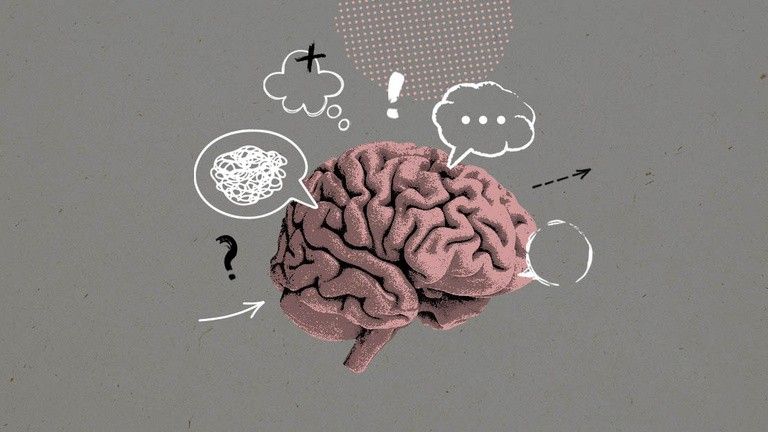
Psychometric Testing in Kenya: A Practical Guide for Employers
Recruiting the right employee involves more than reviewing CVs and conducting interviews. A candidate may have the required qualifications and experience, but employers may still need additional information about their reasoning ability, working style and suitability for a particular role.
This is where psychometric testing in Kenya can support better recruitment and workforce decisions.
Psychometric assessments provide a structured way to measure specific characteristics, such as cognitive ability, aptitude and personality-related tendencies. When selected and interpreted appropriately, they can help employers gather information that may not be fully evident from a CV or interview alone.
For businesses looking to strengthen their recruitment process, understanding how these assessments work is an important first step.
What Is Psychometric Testing?
Psychometric testing involves using standardised assessment tools to measure psychological characteristics or abilities. In the workplace, these assessments may help employers evaluate candidates or understand the development needs of existing employees.
The specific information collected depends on the assessment being used.
For example, a numerical reasoning assessment may examine how well a candidate interprets numerical information, while a personality questionnaire may explore typical working preferences and behavioural tendencies.
The aim is not to label people as good or bad employees. It is to gather relevant information that can support a more structured and informed decision.
According to the CIPD guide to employee selection methods, psychometric tests can help employers assess differences in ability, aptitude and personality. The CIPD also emphasises that assessment results should not be the sole basis for a hiring decision.
Why Should Employers Consider Psychometric Testing?
1. It Provides Information Beyond a CV
A CV presents a candidate’s qualifications, employment history, skills and achievements. It does not necessarily show how the person approaches unfamiliar problems or responds to different work situations.
Depending on the assessment, psychometric testing may provide additional information about reasoning ability, work preferences or behavioural tendencies.
For example, when recruiting an analyst, an employer may need to assess numerical reasoning alongside qualifications and previous experience.
2. It Supports More Structured Recruitment Decisions
When employers rely entirely on informal impressions, candidates may be evaluated differently depending on the interviewer or circumstances.
Structured assessments can introduce an additional, consistent source of information when they are administered and interpreted appropriately.
This can support the wider recruitment process, which may also include CV screening, structured interviews, technical assessments and reference checks.
Powervision Consultancy provides Recruitment and Selection services to help businesses identify, screen and assess candidates against their staffing requirements.
3. It Can Help Assess Role Suitability
Different jobs require different abilities and ways of working.
A position involving financial analysis may require strong numerical reasoning. A customer-facing role may place greater emphasis on communication and interpersonal skills, while a leadership position may require sound judgement and the ability to work with others.
The important point is to select assessments that relate to the actual responsibilities of the role rather than testing candidates without a clear purpose.
4. It Can Support Employee Development
Psychometric assessments are not limited to recruitment.
Employers may also use suitable assessments to inform leadership development, team building, succession planning and individual development discussions.
For example, an assessment may help identify areas where a supervisor could benefit from additional training in communication, decision-making or team management.
Assessment results should be considered alongside observed performance, feedback, experience and the employee’s development goals.
Common Types of Psychometric Assessments
The appropriate assessment depends on what an employer needs to understand.
1. Cognitive Ability Testing
Cognitive ability tests assess areas of thinking and reasoning. Depending on the tool, these may include:
- Numerical reasoning.
- Verbal reasoning.
- Logical reasoning.
- Abstract reasoning.
- Problem-solving ability.
These assessments may be relevant to roles that involve interpreting information, analysing problems or learning complex tasks.
However, a score should be interpreted in relation to the requirements of the job and the evidence supporting the assessment’s use.
2. Aptitude Testing
Aptitude assessments examine abilities relevant to particular tasks or types of work.
For example, a role involving numerical data may require numerical aptitude, while a technical role may require particular forms of reasoning.
Aptitude testing can help employers investigate specific capabilities, but it should not be confused with a complete measure of a candidate’s potential or suitability.
3. Personality Assessments
Personality assessments explore patterns in how people tend to think, behave or approach different situations.
Depending on the tool, these assessments may examine preferences relating to organisation, collaboration, decision-making or social interaction.
Personality results should not be used to place employees into rigid categories. A particular personality profile does not automatically mean that someone will succeed or fail in a role.
Instead, results can help employers develop questions for an interview or explore how a person’s working preferences relate to the job.
4. Leadership and Team Assessments
Some assessments are designed to support leadership development or provide insight into team dynamics.
They may help organisations explore development priorities, communication patterns or areas where teams could work more effectively.
These assessments are best used as part of a broader development process, rather than as a substitute for performance evidence or feedback.
What Makes a Psychometric Test Reliable and Useful?
Not every online quiz is suitable for making employment decisions.
Two important concepts are reliability and validity.
Reliability concerns the consistency of assessment results under appropriate, comparable conditions.
Validity concerns whether the evidence supports the intended interpretation and use of the assessment results.
For recruitment, employers should consider whether the assessment measures something relevant to the role and whether there is appropriate evidence supporting its use for that purpose.
The US Office of Personnel Management’s assessment guidance explains why reliability, validity and consistent assessment procedures matter when evaluating candidates.
Employers should also consider who administers and interprets the assessment, whether the tool is appropriate for the intended population, and whether candidates can access the assessment fairly.
How Long Does Psychometric Testing Take?
The duration depends on the assessment, the number of tests involved and the purpose of the exercise.
Powervision Consultancy’s Psychometric and Personality Testing service indicates that most assessments take approximately 30–45 minutes, with results available shortly after completion. Actual timing may vary according to the assessment selected.
Employers should communicate the process clearly to candidates and allow enough time for them to complete the assessment under suitable conditions.
When Should a Business Use Psychometric Testing?
Psychometric testing may be useful when a business needs additional evidence to support a decision, such as:
- Recruiting for a role that requires specific reasoning abilities.
- Comparing candidates against clearly defined job requirements.
- Supporting the selection process for supervisory or management positions.
- Identifying employee development needs.
- Supporting leadership development and succession planning.
- Understanding team dynamics as part of a wider organisational development initiative.
It is not necessary for every vacancy. Before using an assessment, employers should establish what they need to measure and whether the results will add meaningful information to the decision.
Psychometric Testing Is One Part of a Wider HR Strategy
A strong recruitment process combines several sources of evidence.
CV screening helps establish whether candidates meet the stated requirements. Interviews explore experience, motivation and relevant examples. Practical assessments can demonstrate job-related skills. Reference checks may help verify relevant information.
Psychometric assessments can add another perspective when they are suitable for the role.
Businesses can also explore HR Outsourcing services when they need additional support managing HR processes and workforce administration.
Get Professional Psychometric Assessment Support
Selecting an assessment requires a clear understanding of the role, the information needed and the appropriate way to interpret the results.
Powervision Consultancy offers Psychometric and Personality Testing to support recruitment, job-fit analysis, leadership assessment, team development and employee development planning.
Whether you are recruiting new employees or developing your existing workforce, the starting point is to identify the decision you need to make and the evidence that would help you make it.
Contact Powervision Consultancy to discuss psychometric assessment support for your organisation.
Post a comment
Related Posts

November 3, 2026
Psychometric Tests in Kenya: A Jobseeker’s Guide to Preparing and Passing
Psychometric Tests in Kenya: A Jobseeker’s Guide to Preparing and Passing Applying for a job…

October 27, 2026
Using psychometric testing in recruitment
Psychometric Tests in Recruitment: How Employers Can Use Them Effectively Choosing the right candidate is…
