


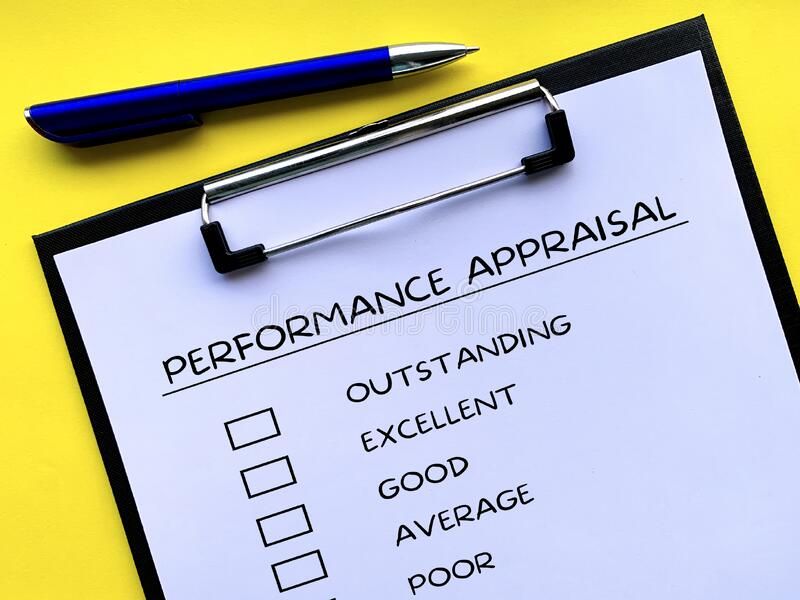
Year-end employee appraisals are an important part of effective performance management. As the year comes to an end, organisations review employee achievements, assess performance against set targets and identify areas that need improvement.
Managers review targets, HR departments prepare appraisal forms, and employees get an opportunity to discuss their achievements and challenges. However, conducting performance appraisals should involve more than completing forms, assigning scores and filing reports.
A well-managed employee appraisal process helps organisations understand how employees have performed, recognise good work, identify skills gaps and establish clear goals for the coming year.
Unfortunately, many businesses conduct annual appraisals without seeing meaningful improvements in employee performance. The same challenges continue, targets remain unmet, and managers often struggle to turn appraisal discussions into practical action.
So, how can organisations make year-end performance reviews more productive?
Why Do Employee Performance Appraisals Become Difficult?
Performance reviews can be challenging for both managers and employees. Some of the common issues include:
1. Employees Disagree With Their Performance Ratings
An employee may believe they deserve an excellent rating, while their supervisor has identified gaps in their performance. Without clear performance indicators and supporting evidence, the discussion can quickly become an argument.
Managers should explain ratings using measurable results, agreed targets and documented performance throughout the review period.
2. Managers Avoid Difficult Performance Conversations
Some supervisors find it uncomfortable to address poor performance. They may give employees higher ratings than they deserve simply to avoid disagreements.
This approach creates unrealistic expectations and makes it difficult to address performance gaps.
Managers should approach these conversations professionally, explain their observations and give employees an opportunity to respond.
3. Performance Ratings Are Based on Opinions Rather Than Evidence
Personal relationships, isolated incidents and recent achievements can influence performance ratings.
For appraisals to be fair, organisations should use clear performance indicators, job descriptions, agreed targets and documented results. Employees should be assessed based on their actual responsibilities and contributions throughout the review period.
4. Employees Raise Workplace Concerns During Appraisals
Some employees use appraisal meetings to raise concerns about inadequate resources, unclear responsibilities, limited supervision or lack of support.
These concerns should not automatically be dismissed. They may highlight management or operational issues that have affected employee performance.
Managers should listen, establish the underlying challenges and determine what support or corrective action is required.
5. Nothing Changes After the Appraisal
One of the biggest weaknesses of performance management is conducting reviews without following up on the findings.
Employees complete appraisal forms, managers provide feedback and the documents are filed away. However, no improvement plans, training interventions or performance targets are established.
An appraisal should result in practical actions that can be monitored and reviewed.
How Can Organisations Make Performance Appraisals More Effective?
A meaningful performance appraisal should encourage honest communication, accountability and continuous improvement.
Organisations can improve their appraisal processes through the following practices:
1. Set Clear Performance Expectations
Employees should understand what is expected of them from the beginning of the performance period.
Job descriptions, key performance indicators (KPIs), departmental targets and individual objectives should be clearly communicated. This gives managers and employees a common basis for evaluating performance.
2. Use Measurable Performance Indicators
Avoid relying entirely on general observations such as attitude, commitment or teamwork.
Where possible, assess performance using measurable indicators such as sales targets achieved, customer satisfaction, productivity, attendance, quality of work and completion of assigned responsibilities.
The indicators should be relevant to the employee’s role.
3. Encourage Two-Way Feedback
Performance appraisals should not be conversations where managers simply tell employees what they have done wrong.
Employees should have an opportunity to discuss their achievements, challenges, career goals and the support they need to perform better.
This encourages accountability while helping management identify issues that may be affecting productivity.
4. Recognise Good Performance
Appraisals should not focus only on mistakes and areas of weakness.
Managers should acknowledge employees who meet or exceed their targets, demonstrate initiative, support colleagues and contribute positively to organisational goals.
Recognition helps reinforce positive behaviour and encourages employees to maintain good performance.
5. Address Performance Gaps Through Improvement Plans
Where an employee is not meeting expectations, managers should identify the specific performance gaps and agree on realistic improvement measures.
A performance improvement plan should clearly outline:
- The areas requiring improvement.
- The expected performance standards.
- The support, resources or training required.
- The targets and timelines for improvement.
- The review dates and monitoring responsibilities.
This provides employees with a fair opportunity to improve while giving managers a structured way to monitor progress.
6. Link Appraisal Results to Training and Development
Performance reviews can reveal skills gaps that may be affecting organisational productivity.
For example, employees may require additional training in communication, customer service, leadership, technical skills or time management.
Organisations should use appraisal findings to plan relevant training and employee development programmes. Powervision Consultancy supports organisations through its Training and Development services, helping businesses identify and address employee development needs.
7. Follow Up on Agreed Actions
An appraisal should not end when the employee and supervisor sign the form.
Managers should schedule follow-up discussions, monitor agreed targets and provide feedback throughout the next performance period.
Consistent follow-up helps ensure that performance improvement plans lead to actual results.
Common Mistakes Organisations Should Avoid During Year-End Appraisals
To make performance reviews meaningful, organisations should avoid:
- Conducting appraisals without clear performance targets.
- Rating employees based on personal opinions or favouritism.
- Waiting until the end of the year to address performance problems.
- Focusing only on employee weaknesses while ignoring achievements.
- Failing to give employees an opportunity to provide feedback.
- Using the same performance indicators for employees with different responsibilities.
- Ignoring training and development needs identified during reviews.
- Failing to monitor performance after the appraisal meeting.
How Powervision Consultancy Can Support Your Performance Management Process
At Powervision Consultancy, we understand that effective performance management requires more than annual appraisal forms. Organisations need structured systems that connect employee responsibilities, performance expectations, feedback and business objectives.
We support businesses in developing and strengthening their performance management processes through:
- Performance Management: Developing performance appraisal systems, KPIs and employee evaluation frameworks.
- HR Consultancy and Advisory: Providing guidance on employee management, workplace issues and HR practices. Explore our HR consultancy and outsourcing support.
- Training and Development: Identifying skills gaps and coordinating relevant employee training programmes.
- HR Policies and Employee Handbooks: Developing clear workplace guidelines and performance management procedures.
- HR Audits and Compliance: Reviewing HR practices and identifying areas that require improvement. Learn more about our HR Compliance and Audit services.
- Staff Management: Supporting organisations in monitoring employee performance, accountability and workforce productivity.
Whether you are introducing a performance appraisal system or improving an existing process, we can help you establish a structured approach that supports both employees and organisational growth.
Make Your Year-End Appraisals Count
Year-end performance appraisals should be an opportunity to reflect on achievements, address challenges and prepare employees for the year ahead.
When properly conducted, they help organisations make better management decisions, improve employee accountability, identify development needs and build a stronger workforce.
Do not let your annual appraisals become another HR formality. Turn performance reviews into a practical tool for improving productivity and achieving organisational goals.
Need support with your organisation’s performance management process?
Contact Powervision Consultancy for professional HR consultancy, performance management and employee development support.
Website: https://powervision.co.ke/
Email: info@powervision.co.ke
Phone: +254 748 157 506
Post a comment
Related Posts
November 20, 2026
How Businesses Can Identify Employee Training Needs: A Practical Guide for Kenyan Employers
How Businesses Can Identify Employee Training Needs: A Practical Guide for Kenyan Employers Employee training…

November 17, 2026
Procurement Management in Kenya: How Businesses Can Reduce Purchasing Costs and Supplier Risks
Every business depends on suppliers to obtain the goods and services needed to operate. Whether…

November 17, 2026
Internal Controls in Kenyan Businesses: 8 Ways to Protect Your Money and Business Assets
Internal controls in Kenyan businesses play an important role in protecting company assets, preventing financial…

November 17, 2026
Mystery Shopping in Kenya: What Your Customers Experience When Management Is Not Watching
A business may have well-trained employees, attractive premises and established customer service policies. However, what…
