

AI Job Search Kenya: A Practical Case Study
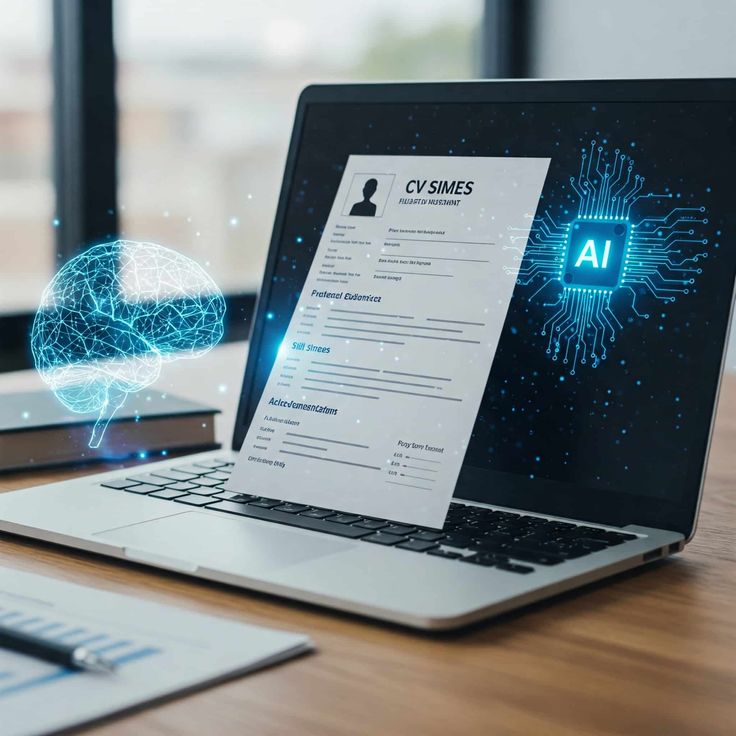
An AI job search in Kenya can help job seekers improve their CVs, prepare for interviews and identify suitable career opportunities. As artificial intelligence becomes more widely used in recruitment and everyday work, candidates can benefit from learning how to use AI tools strategically.
However, using AI to submit more applications does not automatically make someone a stronger candidate. The real advantage comes from using AI to communicate relevant skills, identify development gaps and prepare for specific opportunities.
This practical, illustrative case study explores how a job seeker in Kenya can use AI to improve their job search, the common mistakes to avoid and the lessons other candidates can apply.
Case Study: A Graduate Struggling to Get Shortlisted
Consider a hypothetical recent business management graduate applying for administrative assistant, customer service and office support positions.
Despite submitting numerous applications, the candidate receives few interview invitations. Their CV lists academic qualifications, computer skills and general responsibilities but does not clearly demonstrate how their experience matches the advertised positions.
The candidate decides to adopt a more structured AI job search strategy instead of simply increasing the number of applications submitted.
1. Using AI to Improve a CV for the Kenyan Job Market
The candidate has relevant experience from an industrial attachment and volunteer activities, but the CV presents this information in a generic format.
Using an AI tool, the candidate compares the job description with their actual qualifications, skills and experience. The tool helps identify relevant requirements such as document management, customer communication, record keeping and scheduling.
The candidate then revises the CV to highlight genuine examples of these competencies.
For example, instead of writing “Good communication skills,” the candidate could describe an actual responsibility involving responding to enquiries, coordinating activities or communicating with stakeholders.
This approach makes the CV more relevant to the position without inventing qualifications or experience.
Key lesson: Effective CV optimisation is not about repeating keywords. It is about demonstrating how your genuine experience matches an employer’s requirements.
For more guidance, read our article on how to write a CV in Kenya.
2. Using AI to Write Better Job Applications
The candidate has been sending almost the same application email for every vacancy. Consequently, the applications do not adequately explain why the candidate is suitable for each position.
AI can help develop a more relevant cover letter using the advertised responsibilities, the candidate’s actual experience and the employer’s stated requirements.
The candidate can use this prompt:
“Using the job description and my actual experience, draft a concise application letter highlighting three relevant strengths. Do not invent qualifications, achievements or work experience.”
The candidate then reviews the draft, removes generic statements and ensures that every claim is accurate.
The final application should be professional, specific to the vacancy and written in a voice the candidate can confidently represent.
Key lesson: AI can improve the structure and clarity of a job application, but it cannot replace an honest account of your qualifications and experience.
3. Using AI for Job Interview Preparation
The candidate eventually secures an interview but struggles to answer questions about problem-solving, teamwork and handling competing priorities.
Rather than memorising answers generated by AI, the candidate uses the tool to practise interview questions one at a time.
They prepare examples based on real experiences from school projects, industrial attachments, volunteer work or previous employment. The candidate also researches the employer and prepares relevant questions to ask during the interview.
This practice helps the candidate explain their decisions and contributions instead of relying on generic answers.
Candidates can explore Microsoft’s official hiring tips and interview preparation resources for additional guidance on preparing for recruitment processes.
Key lesson: AI can help you practise, but your interview answers must reflect your actual skills, experience and understanding of the role.
4. Using AI to Identify Suitable Job Opportunities
The candidate has been applying for almost every vacancy they encounter, including positions requiring technical skills or years of experience they do not possess.
AI helps organise vacancies into three categories:
- Strong match: The candidate meets most essential requirements and can demonstrate relevant skills.
- Development opportunity: The candidate has transferable skills but needs to address some gaps.
- Not currently suitable: The position requires essential qualifications, licences or experience the candidate does not have.
The candidate prioritises suitable vacancies and creates a learning plan to address recurring skills gaps.
For example, if several relevant positions require advanced spreadsheet skills, the candidate can prioritise developing that competency instead of pursuing unrelated courses.
This approach makes the job search more focused and encourages deliberate career development.
Key lesson: Use AI to assess job requirements and prioritise opportunities, but verify vacancy details and qualifications before applying.
What This AI Job Search Case Study Teaches Job Seekers
Although this is an illustrative scenario rather than a report of measured results from a real candidate, it highlights four practical lessons for job seekers in Kenya.
1. Quality matters more than application volume. Tailored applications can communicate suitability more clearly than generic applications.
2. AI works best with accurate information. The quality of the output depends partly on the information supplied and the candidate’s ability to review it.
3. Interview preparation must reflect real experience. AI can simulate questions, but candidates must be able to explain their skills and decisions.
4. Career development should be intentional. Recurring skill requirements in job advertisements can help candidates identify what to learn next.
These practices do not guarantee interviews or employment. Employers will continue to assess candidates against their actual requirements, and results will vary.
How to Use AI Responsibly When Looking for a Job
While AI can support your job search, it is important to use it carefully.
Before submitting an AI-assisted application, confirm that:
- Your employment history, qualifications and dates are accurate.
- The skills highlighted in your CV reflect abilities you can demonstrate.
- Your cover letter addresses the specific vacancy.
- You understand and can explain every statement in your application.
- You have protected your personal information when using online tools.
Avoid uploading identity documents, confidential employment records or unnecessary personal information to AI platforms. Review the relevant privacy terms before sharing sensitive information.
AI-generated content can also contain inaccurate information or assumptions. Always review the output before using it professionally.
How Powervision Consultancy Supports Job Seekers
At Powervision Consultancy, we recognise the importance of helping candidates communicate their skills effectively while navigating changing recruitment practices.
Our Recruitment and Selection services support employers in sourcing, screening and assessing candidates against role requirements.
For job seekers, this reinforces an important principle: a strong application should demonstrate relevant skills, credible experience and suitability for the position—not simply contain impressive wording.
You can explore more practical career advice and recruitment insights on the Powervision Consultancy blog.
Final Thoughts: Make AI Part of a Smarter Job Search
An AI job search in Kenya can be more effective when technology supports a clear career strategy. AI tools can help candidates improve CV relevance, practise interviews, research opportunities and identify skills gaps.
However, technology alone is not a career strategy.
Candidates still need to understand their strengths, apply for suitable positions, develop relevant skills and communicate their experience honestly.
Use AI to prepare better, not to pretend to be someone you are not.
Which part of your job search would you most like AI to help you improve: your CV, cover letter, interview preparation or identifying suitable vacancies?
Share your thoughts in the comments.
Powervision Consultancy — Your People, Our Expertise. A Stronger Tomorrow.
#AIForJobs #JobSearchKenya #CareerDevelopment #CVWriting #InterviewPreparation #RecruitmentKenya
Post a comment
Related Posts

October 17, 2026
How to Find Legitimate Job Opportunities in Kenya and Avoid Scams
Searching for a job in Kenya can be challenging, particularly when many applicants compete for…

October 17, 2026
How to Write a Professional CV That Gets Noticed in Kenya
How to Write a Professional CV in Kenya: A Step-by-Step Guide How to write a…

October 14, 2026
How to Gain Work Experience in Kenya When You Have Never Had a Job
How to Gain Work Experience in Kenya When You Have Never Had a Job You…
