

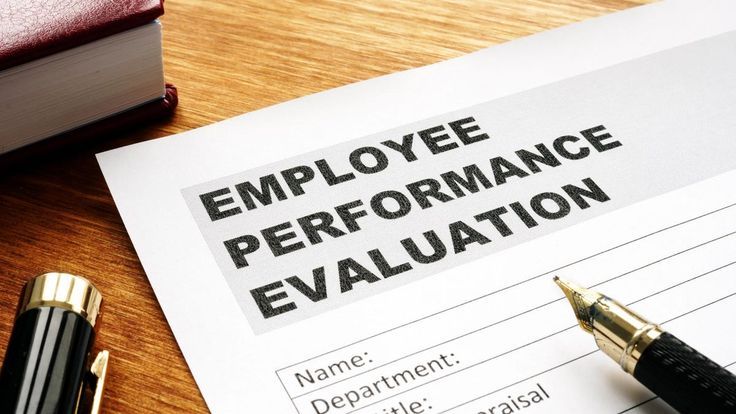
Employee performance directly affects productivity, customer service, profitability and the ability of a business to achieve its goals. However, improving performance is not simply about telling employees to work harder. Businesses need clear expectations, proper support, regular feedback and systems that help employees understand what is expected of them.
For Kenyan businesses, a structured approach to employee performance can help management identify performance gaps, support employees who need improvement and recognise employees who consistently deliver results.
The good news is that businesses do not always need expensive systems to improve performance. In many cases, better communication, clear targets and consistent management can make a significant difference.
Here are 5 practical ways Kenyan businesses can improve employee performance.
1. Set Clear Performance Expectations
One of the biggest causes of poor employee performance is a lack of clarity.
Employees need to understand exactly what their roles involve, what results they are expected to achieve and how their performance will be measured. A job title alone is not enough. Employees should have clear responsibilities and measurable expectations.
For example, instead of telling a sales employee to “increase sales”, a business can establish specific targets such as:
- Generate 25 qualified leads per week.
- Achieve a defined monthly sales target.
- Follow up with leads within a specified period.
- Maintain accurate customer records.
- Achieve an agreed conversion rate.
Clear expectations make it easier for both employees and managers to understand whether performance is meeting the required standard.
Businesses should also ensure that individual targets are connected to wider organisational objectives. When employees understand how their work contributes to business goals, they are more likely to understand the importance of their responsibilities.
2. Use KPIs to Measure Employee Performance
Key Performance Indicators (KPIs) provide businesses with a practical way of measuring employee performance.
Without measurable indicators, performance discussions can become subjective. A manager may feel that an employee is performing poorly, while the employee may believe they are meeting expectations.
KPIs help create a more objective conversation.
Depending on the position, KPIs may measure:
- Sales revenue
- Customer satisfaction
- Number of customers served
- Production output
- Accuracy and quality
- Response time
- Attendance and punctuality
- Project completion
- Cost control
- Revenue generated
The KPIs should be realistic and relevant to the employee’s actual responsibilities.
For example, the KPIs for an accountant should not be the same as those for a sales representative. Each role requires measures that reflect its responsibilities and contribution to the organisation.
Businesses should also review KPIs periodically to ensure they remain relevant as priorities change.
3. Give Employees Regular Feedback
An annual performance appraisal should not be the only time an employee receives feedback.
Regular feedback allows managers to identify issues early and give employees an opportunity to improve before small problems become serious performance concerns.
A useful feedback process should discuss:
- What the employee is doing well.
- Areas where improvement is required.
- Specific examples of performance gaps.
- What support the employee needs.
- The expected improvement.
- A reasonable timeframe for review.
Feedback should also recognise positive performance. Employees need to know when their work is producing good results, not only when something goes wrong.
Managers can conduct monthly or quarterly performance discussions depending on the nature of the role. For fast-paced positions such as sales and customer service, more frequent conversations may be useful.
Effective feedback should focus on the work and expected standards rather than making personal attacks.
4. Provide Training and Development
Sometimes poor employee performance is not caused by a lack of commitment. An employee may simply lack the knowledge, skills or tools required to perform effectively.
Businesses should therefore identify training needs as part of their performance management process.
Training may cover areas such as:
- Technical skills
- Customer service
- Leadership and supervision
- Communication
- Sales techniques
- Workplace safety
- Use of technology
- Time management
- Industry-specific knowledge
Training and development can also help employees prepare for increased responsibilities and future roles within the organisation.
The Kenya Employment Act recognises training and development and performance evaluation systems among employment policies and practices.
Powervision Consultancy also provides Training and Development services to help businesses identify and address employee development needs.
However, training should be linked to an actual business or performance need. Sending employees for training without identifying the problem the training is intended to solve may not produce meaningful results.
5. Address Performance Problems Early
Ignoring poor performance does not normally make the problem disappear.
When an employee consistently fails to meet agreed expectations, management should address the issue promptly and professionally.
The first step is to establish what is causing the performance problem. Possible causes may include:
- Unclear job responsibilities
- Inadequate training
- Unrealistic targets
- Lack of resources
- Poor supervision
- Workload issues
- Personal circumstances
- Lack of accountability
Once the cause has been identified, management can determine the appropriate response.
Where an employee needs additional support, the business may provide coaching, training or closer supervision. Where expectations are clear and support has been provided but performance remains below the required standard, the employer may need to follow its established performance management and disciplinary procedures.
Businesses should maintain appropriate records of performance discussions, agreed objectives, support provided and subsequent reviews. Good documentation can help management maintain consistency and provide a clear record of the process.
For businesses seeking a broader review of their HR processes, HR Compliance and Audit can help identify gaps in HR documentation and practices.
Why Employee Performance Management Matters
Improving employee performance should not be treated as a once-a-year HR activity.
It should be part of the everyday management of a business.
When employees understand their responsibilities, receive appropriate support and know how their performance is measured, management has a stronger basis for identifying problems and recognising good work.
Effective performance management can also help businesses identify employees who may be ready for additional responsibilities, determine training needs and improve workforce planning.
It is equally important for managers to understand that performance management is a two-way process. Employees should have an opportunity to raise challenges affecting their ability to perform, while managers should provide the resources, direction and support necessary for employees to meet reasonable expectations.
A Practical Employee Performance Process for Kenyan Businesses
A simple performance management cycle can include the following five stages:
1. Set: Establish clear responsibilities, objectives and KPIs.
2. Monitor: Track progress and identify performance gaps.
3. Discuss: Hold regular performance conversations and provide feedback.
4. Develop: Provide coaching, training and other appropriate support.
5. Review: Assess progress against agreed objectives and determine the next steps.
This process can be adapted for small businesses as well as larger organisations.
The important thing is consistency. A performance management system is unlikely to deliver meaningful results if targets are established but never reviewed, or if employees only receive feedback when something goes wrong.
Conclusion
Improving employee performance requires more than demanding better results from employees. Kenyan businesses need to create an environment where employees understand what is expected, have the skills and resources to perform, receive regular feedback and are held accountable for agreed responsibilities.
By setting clear expectations, using relevant KPIs, providing regular feedback, investing in training and addressing performance problems early, businesses can create a more structured approach to managing performance.
For businesses that need professional support with HR management and performance-related processes, Powervision Consultancy can assist with practical HR solutions tailored to organisational needs.
Post a comment
Related Posts

September 19, 2026
Salary Surveys in Kenya: How Businesses Can Set Competitive Employee Salaries
Determining how much to pay employees is an important decision for any organisation. If salaries…

September 19, 2026
HR Outsourcing in Kenya: What Should Businesses Outsource and Why?
Human resources is an important part of every business, but managing HR activities internally can…

September 16, 2026
Why Employee Onboarding Matters: A Practical Guide for Kenyan Businesses
Hiring an employee is only the beginning of the employment relationship. Once a candidate accepts…

September 16, 2026
Employee Turnover in Kenya: 7 Reasons Good Employees Leave
Employee turnover is a challenge that many businesses eventually face. An employee resigns, another position…
