

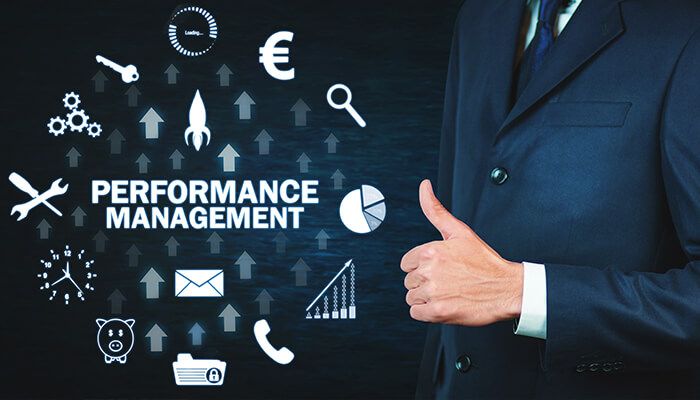
Performance management is an important part of managing employees effectively. However, many organizations only think about performance management when an employee is underperforming or when annual appraisals are due.
A good performance management system should be more than an appraisal form. It should help employees understand what is expected of them, give managers a way to measure progress, and create opportunities for continuous improvement.
For businesses in Kenya, having a structured performance management process can help align individual employee performance with organizational goals.
Here are practical ways employers can build a performance management system that actually improves employee performance.
1. Set Clear Performance Expectations
Employees need to understand what is expected of them before their performance can be fairly assessed.
Job descriptions should clearly outline the employee’s responsibilities, expected outputs and reporting structure. Where possible, organizations should also establish measurable Key Performance Indicators (KPIs).
For example, instead of telling a sales employee to “increase sales,” an organization could set a specific monthly sales target and define how performance will be measured.
Clear expectations reduce confusion and make performance discussions more objective.
2. Align Individual Goals With Business Objectives
Employees should understand how their work contributes to the wider organization.
An organization’s strategic objectives can be translated into departmental and individual goals. This creates a clear connection between what employees do every day and what the business is trying to achieve.
For example, if a company wants to improve customer retention, the customer service team’s performance indicators could include response times, customer satisfaction and complaint resolution.
Performance management therefore becomes a business tool rather than simply an HR activity.
3. Monitor Performance Throughout the Year
One of the common weaknesses of performance management is relying entirely on annual appraisals.
Performance should be monitored regularly through check-ins, team meetings, one-on-one discussions and periodic reviews.
Regular monitoring allows managers to identify:
- Areas where an employee is performing well
- Skills that need improvement
- Challenges affecting performance
- Additional support or resources required
- Progress against agreed targets
This also gives employees an opportunity to raise concerns before they become larger performance problems.
4. Give Employees Constructive Feedback
Feedback is one of the most important parts of performance management.
Employees should not have to wait until the end of the year to discover that their performance is below expectations.
Effective feedback should be specific, professional and focused on the employee’s work rather than their personality.
Instead of saying, “Your performance is poor,” a manager could explain the specific performance gap, its impact and what improvement is expected.
Constructive feedback helps employees understand what they need to change and gives them an opportunity to improve.
5. Identify Training and Development Needs
Performance reviews should not only identify weaknesses. They should also help organizations determine where employees need additional skills or support.
An employee may be struggling because they lack the knowledge, technical skills or resources required to perform a particular task.
Organizations can use performance discussions to identify suitable:
- Training programmes
- Coaching
- Mentorship
- On-the-job learning
- Professional development opportunities
This makes performance management more developmental rather than purely disciplinary.
Organizations looking to strengthen employee capabilities can also consider structured [training and development programmes](/services/training-and-development/).
6. Address Underperformance Early
When an employee consistently fails to meet reasonable performance expectations, the issue should be addressed early.
Ignoring performance problems can affect productivity, team morale and service delivery.
Managers should first establish the reason for the underperformance. The issue could relate to unclear expectations, inadequate training, workload, resources, personal circumstances or other workplace factors.
Where appropriate, the organization can agree on clear improvement expectations and provide reasonable support and monitoring.
A structured approach can help ensure that performance concerns are handled consistently and professionally.
7. Recognize Good Performance
Performance management should not focus only on employees who are struggling.
Employees who consistently meet or exceed expectations should also receive recognition.
Recognition can take different forms, including:
- Verbal appreciation
- Written recognition
- Additional responsibilities
- Career development opportunities
- Performance incentives
- Employee awards
Recognition can contribute to employee motivation and reinforce behaviours that support organizational objectives.
8. Keep Performance Records
Organizations should maintain appropriate records of performance discussions, reviews, targets, feedback and agreed actions.
Proper documentation helps managers track progress and provides a clear record of what has been discussed with an employee.
It is also important that employee information is handled securely and appropriately. Performance records are part of an employee’s personal information and should therefore be managed responsibly.
Organizations should consider their wider [HR compliance and audit](/services/hr-compliance-and-audit/) processes when reviewing how employee records are created, stored and managed.
9. Train Managers to Manage Performance
A performance management system can only work effectively if managers know how to use it.
Managers may need training on areas such as:
- Setting effective KPIs
- Giving constructive feedback
- Conducting performance reviews
- Handling difficult conversations
- Coaching employees
- Documenting performance discussions
- Managing underperformance fairly
Without proper guidance, different managers may apply performance standards differently, creating inconsistency within the organization.
10. Review the System Regularly
Performance management systems should also be reviewed.
Businesses change, roles evolve and organizational priorities shift. KPIs that were appropriate several years ago may no longer reflect what the organization currently needs.
Employers should periodically review whether their performance management process is helping employees understand expectations, improve their skills and contribute to organizational goals.
What Does an Effective Performance Management System Look Like?
An effective performance management system should be:
- Clear – employees understand what is expected of them.
- Measurable – performance is assessed using appropriate indicators.
- Consistent – employees are managed according to clear and reasonable standards.
- Continuous – performance is discussed throughout the year.
- Development-focused – employees receive opportunities to improve.
- Documented – important performance discussions and actions are properly recorded.
- Aligned with business goals – individual performance contributes to organizational objectives.
Performance Management Should Be About Improvement
Performance management should not be viewed simply as a process for identifying employees who are underperforming.
When implemented properly, it creates a continuous cycle of setting expectations, monitoring progress, providing feedback, developing employees and recognizing results.
For employers in Kenya, a structured performance management system can help create greater accountability while giving employees the clarity and support they need to perform effectively.
At Powervision Consultancy, we support organizations with performance management, employee development, HR consultancy and other HR solutions designed around their organizational needs.
Is your organization’s current performance management process helping employees improve, or is it only being used when problems arise?
Post a comment
Related Posts

October 8, 2026
HR Outsourcing in Kenya: When Should a Business Outsource HR?
Human resources is an important part of every organization, but managing HR internally can become…
October 3, 2026
Workforce Capacity Planning in Kenya: How to Know When Your Business Needs More Employees
Business growth does not always mean that a company immediately needs to hire more employees.…
September 30, 2026
Employee Engagement in Kenya: Practical Strategies for Building a More Engaged Workforce
Employees are an important part of every organization, but simply having people on the payroll…

September 25, 2026
How to Manage Workplace Conflict in Kenya: A Practical Guide for Employers
Workplace conflict can occur in any organisation. Employees may disagree about responsibilities, communication, workloads, management…
