

How Team Building Improves Employee Productivity and Workplace Collaboration
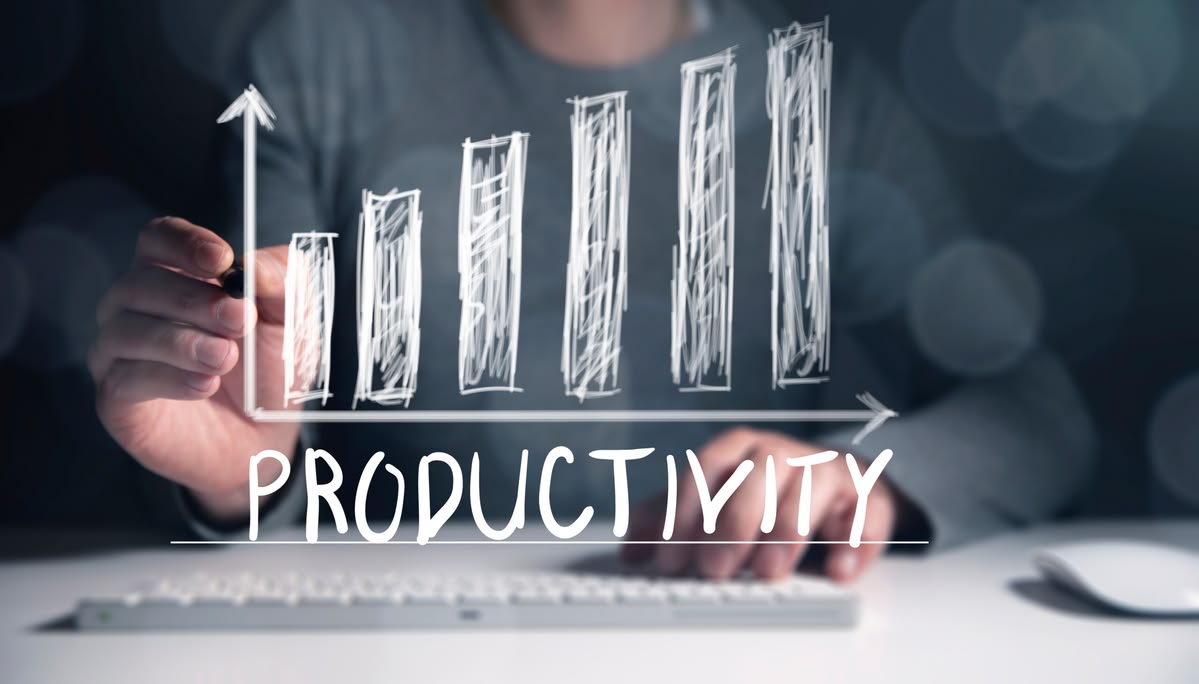
Employee productivity depends on more than individual skills and qualifications. Employees also need to communicate effectively, understand their responsibilities and cooperate with colleagues to achieve shared goals. When these elements are missing, even a capable workforce can struggle to deliver consistent results.
Team building and employee productivity are closely connected because structured team activities give employees an opportunity to strengthen working relationships, practise problem-solving and understand how their contributions affect the wider team.
For organisations in Kenya, team building can be a useful part of a broader human resource strategy aimed at improving collaboration, employee engagement and workplace performance. The key is to choose activities that address real organisational needs and reinforce the right behaviours after the programme.
What Is the Relationship Between Team Building and Employee Productivity?
Employee productivity refers to how effectively employees use their time, skills and available resources to achieve expected results. Productivity can be affected by communication gaps, unclear responsibilities, workplace conflict and poor coordination.
Team building provides a structured opportunity to address some of these challenges. Through practical exercises and facilitated discussions, employees can learn to share information, make decisions together and manage differences constructively.
However, team building is not a substitute for good management. Productivity also depends on appropriate staffing, effective leadership, reasonable workloads, suitable tools and clear performance expectations.
Five Ways Team Building Can Improve Workplace Performance
1. Reduces Communication Gaps
When employees do not communicate clearly, important information may be missed or misunderstood. This can lead to duplicated work, delayed decisions and avoidable mistakes.
Communication-focused team-building activities help employees practise active listening, giving clear instructions and sharing information. These lessons can be reinforced through regular team meetings, clear reporting lines and agreed communication procedures.
2. Encourages Better Problem-Solving
Many workplace challenges require employees to combine their knowledge and experience. Team-building exercises that involve practical challenges encourage participants to analyse situations, exchange ideas and agree on solutions.
Employees can then apply these skills when handling customer concerns, coordinating projects or responding to unexpected changes at work.
3. Builds Trust Between Colleagues
Trust makes it easier for employees to ask questions, request assistance and share concerns before they become bigger problems.
Team-building activities can help employees recognise one another’s strengths and understand different working styles. Managers should support this progress by promoting fairness, accountability and respectful communication in everyday work.
4. Strengthens Cross-Departmental Collaboration
In many organisations, departments depend on one another to deliver results. For example, recruitment, operations, finance and sales may need to exchange information and coordinate their activities.
When departments operate in isolation, delays and misunderstandings can affect overall performance. Cross-functional team-building exercises help employees appreciate how their responsibilities connect and why cooperation matters.
5. Supports Employee Engagement
Employees are more likely to participate actively when they feel respected, included and connected to their colleagues.
Team-building programmes provide opportunities for interaction beyond routine tasks. They can also help managers identify concerns about teamwork, communication and inclusion that may need further attention.
For sustainable engagement, employers should combine team building with effective leadership, recognition, employee development and fair workplace practices.
Signs Your Organisation May Need Team Building
It may be worth considering a team-building programme when you notice:
- Frequent misunderstandings between employees or departments.
- Recurring disagreements that affect the completion of tasks.
- Poor cooperation on shared projects.
- Difficulty integrating new employees into existing teams.
- Low participation in team discussions and problem-solving.
- Changes in organisational structure that require employees to work differently.
- A need to reconnect teams around new goals or priorities.
These signs may also point to deeper management or HR issues. Before arranging activities, assess the underlying causes so the programme addresses the right problems.
How to Make Team Building Effective
Set Clear Objectives
Identify the specific changes you want to see. These may include better communication, improved collaboration between departments, stronger working relationships or more effective conflict resolution.
Clear objectives help determine the most appropriate activities and provide a basis for evaluating results.
Involve Employees in the Process
Where appropriate, ask employees about their teamwork challenges and what they would like to improve. Their feedback can help shape a programme that is relevant and inclusive.
Participation should be encouraged without making employees feel uncomfortable or forcing them into activities that are unsuitable for their needs.
Select Relevant Activities
Choose activities that connect to your objectives. A team experiencing communication problems may benefit from listening and coordination exercises, while a team adapting to organisational change may need sessions focused on shared goals and managing uncertainty.
Encourage Reflection
After each activity, give participants time to discuss what happened, what they learned and how the lessons relate to their daily responsibilities.
Without reflection, employees may enjoy the event without understanding how to apply the experience at work.
Follow Up After the Programme
Managers should agree on practical actions with their teams. These may include clearer handover procedures, regular cross-departmental meetings, improved feedback practices or more explicit allocation of responsibilities.
Follow-up discussions help establish whether the programme is influencing everyday behaviour.
Measuring the Impact of Team Building on Productivity
Organisations should assess the programme against the objectives established at the beginning.
Useful measures may include employee feedback, the quality of communication between teams, progress on shared assignments and the frequency of recurring coordination problems. Where relevant, managers can also review existing performance indicators, such as turnaround times, service quality or achievement of team targets.
Compare results with the position before the programme, while recognising that productivity is influenced by several factors. Improvements should not automatically be attributed to team building alone.
A follow-up review after an appropriate period can help determine which practices are working and what further support the team needs.
The Role of HR in Building Effective Teams
Human resource management plays an important role in creating conditions where employees can work effectively together. HR teams can identify development needs, support managers, encourage constructive workplace relationships and align team-building initiatives with organisational objectives.
Team building can also complement employee training, performance management and employee satisfaction surveys. These activities help organisations understand employee experiences and identify areas that require attention.
For more support with workforce development, explore Powervision Consultancy’s training and development services and team-building programmes.
Improve Teamwork With Powervision Consultancy
Powervision Consultancy helps organisations strengthen communication, collaboration and team performance through tailored team-building experiences.
Our programmes can be designed around your team’s objectives and may include communication workshops, trust-building exercises, outdoor challenges, team retreats and practical action planning.
Whether you want to strengthen relationships within an established team, improve coordination between departments or help employees adapt to change, we can discuss an approach suited to your organisation.
Contact Powervision Consultancy to explore a programme that supports your workplace goals.
Phone: +254 748 157 506
Email: info@powervision.co.ke
Website: https://powervision.co.ke/contact/
Conclusion
Team building and employee productivity are connected through the everyday behaviours that help employees communicate, solve problems and work towards shared objectives. While activities alone cannot solve every workplace challenge, a well-planned programme can support stronger collaboration when combined with effective management and consistent follow-up.
For organisations seeking better teamwork and workplace performance, the starting point is to identify the challenge, choose relevant activities and turn the lessons into practical action.
Post a comment
Related Posts
November 4, 2026
Strengthening HR Management in a Training Institution: The Medprime Training College Case Study
Strengthening HR Management in a Training Institution: The Medprime Training College Case Study Human resource…

November 3, 2026
Payroll Management in Kenya: Common Challenges Employers Should Address
Payroll Management in Kenya: Common Challenges Employers Should Address Payroll is one of the most…

October 31, 2026
How to Plan an Effective Team Building Activity for Your Employees
How to Plan an Effective Team Building Activity for Your Employees Organising a team-building activity…
October 31, 2026
Team Building in Kenya – How It Improves Employee Productivity and Workplace Performance
In today’s competitive business environment, organisations need more than qualified employees to achieve their objectives.…
