

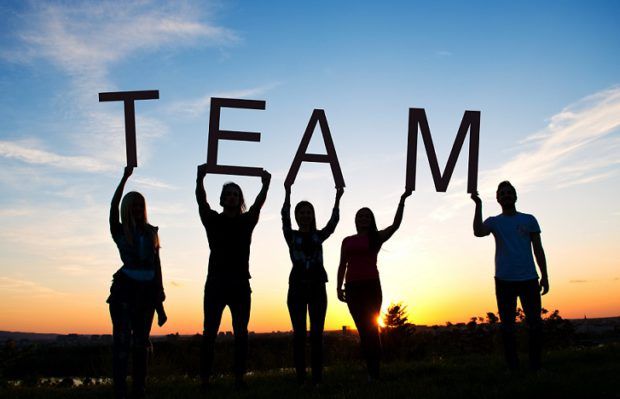
Team building in Kenya has become an important consideration for organisations looking to improve employee collaboration, communication and workplace performance. As businesses grow, employees often work across different departments, manage competing priorities and face pressure to meet targets. Without strong working relationships, these challenges can lead to misunderstandings, conflict and reduced productivity.
A well-planned team-building programme gives employees an opportunity to strengthen relationships, improve communication and learn how to work together more effectively. However, successful team building involves more than organising a day away from the office. The activities should address the team’s needs and support the organisation’s wider goals.
At Powervision Consultancy, we help organisations strengthen workplace relationships through tailored team-building experiences designed around communication, collaboration and team performance.
What Is Team Building?
Team building is a planned process that helps employees develop stronger working relationships and improve how they work together. It may involve outdoor activities, problem-solving exercises, communication workshops, team challenges and facilitated discussions.
The purpose is to help employees understand one another’s strengths, recognise different working styles and develop practical ways of handling workplace challenges.
Effective team building should also connect the experience to everyday work. Employees should leave with a clearer understanding of how to communicate, share responsibilities, resolve disagreements and support common objectives.
Why Is Team Building Important for Businesses in Kenya?
1. Improves Workplace Communication
Poor communication can result in missed deadlines, duplicated work and misunderstandings between employees. Team-building exercises encourage participants to share information, listen actively and communicate clearly.
These skills can help employees coordinate tasks more effectively and reduce avoidable workplace errors.
2. Strengthens Trust and Collaboration
Employees are more likely to cooperate when they trust their colleagues and understand their roles. Team-building activities create opportunities for staff to work together outside their usual routines, recognise each other’s strengths and develop mutual respect.
Stronger working relationships can also make it easier for employees to ask for support when challenges arise.
3. Helps Address Workplace Conflict
Differences in opinion are normal in any organisation. However, unresolved disagreements can affect morale and productivity.
Facilitated team-building sessions can help employees explore how they handle conflict, understand different perspectives and practise constructive ways of resolving disagreements. These sessions work best when they are supported by clear workplace policies and effective management.
4. Supports Employee Engagement
Employees who feel included and respected are more likely to contribute positively to their teams. Team building gives staff an opportunity to participate, share ideas and feel connected to the wider organisation.
For lasting results, employers should also pay attention to workload, leadership, recognition and other factors that influence employee experience.
5. Aligns Employees With Organisational Goals
When employees understand how their individual responsibilities contribute to the organisation’s objectives, collaboration becomes more purposeful.
Team-building activities can help teams clarify shared goals, identify communication gaps and agree on practical ways to improve coordination.
Team-Building Activities Organisations Can Consider
The right activities depend on the team’s size, work environment, budget and objectives. Common options include:
Problem-solving challenges: Employees work together to complete tasks that require planning, creativity and shared decision-making.
Communication exercises: Activities focus on active listening, giving clear instructions, sharing information and providing constructive feedback.
Trust-building activities: Structured exercises encourage employees to rely on one another and develop mutual confidence.
Outdoor and experiential activities: Group challenges give participants an opportunity to practise cooperation, adaptability and leadership in a different setting.
Team workshops: Facilitated sessions explore workplace communication, conflict management, team roles and collaboration.
Team retreats: Half-day, full-day or multi-day programmes provide time for teams to reconnect, reflect on challenges and agree on improvements.
For a programme to be useful, activities should suit the participants. Employers should consider accessibility, physical ability, cultural differences and the needs of employees who may not enjoy highly competitive or physically demanding exercises.
How to Choose the Right Team-Building Programme
Before selecting a provider, organisations should consider the following:
Identify the Main Challenge
Start by determining what the organisation wants to improve. Is the team experiencing communication problems, conflict, weak collaboration, low morale or difficulties adapting to change?
Clear objectives make it easier to select relevant activities and assess whether the programme has achieved its purpose.
Consider the Team’s Needs
A newly formed team may need activities that encourage introductions and relationship building. An established team facing workplace conflict may benefit more from facilitated communication and problem-solving sessions.
The programme should reflect the team’s actual circumstances rather than relying on a standard package.
Set a Realistic Budget
Consider the number of participants, venue, transport, meals, facilitation and materials. Compare providers based on the quality and relevance of their programmes, not price alone.
Choose an Experienced Facilitator
A good facilitator should understand group dynamics and be able to guide discussions, manage participation and connect lessons from activities to workplace behaviour.
Plan for Follow-Through
Team building should not end when employees return to the office. Managers can reinforce lessons through regular team meetings, agreed communication practices, clear responsibilities and follow-up discussions.
How Can You Measure the Results of Team Building?
Organisations should define what success looks like before the programme begins. Depending on the objectives, useful indicators may include:
- Employee feedback before and after the programme.
- Improvements in communication between departments.
- Fewer recurring misunderstandings or unresolved team conflicts.
- Better coordination and completion of shared tasks.
- Progress towards agreed team performance targets.
A single event may not resolve deeper organisational challenges. Where issues relate to leadership, unclear roles, workload or workplace culture, team building should form part of a broader improvement plan.
Team Building Services in Kenya With Powervision Consultancy
Powervision Consultancy supports organisations with tailored team-building programmes designed to strengthen communication, trust and collaboration. Depending on your objectives, our approach can include facilitated workshops, experiential activities, team retreats and post-event action planning.
We work with organisations to understand their needs and develop programmes that connect team-building activities to practical workplace improvements.
Explore our team-building services in Kenya to learn more about our approach.
Conclusion
Team building in Kenya can help organisations strengthen working relationships, improve communication and encourage employees to work towards shared goals. The best results come from programmes that address real workplace needs and are supported by consistent action after the event.
If your organisation is looking for a team-building programme tailored to its employees and objectives, contact Powervision Consultancy to discuss your requirements.
Contact Powervision Consultancy
Phone: +254 748 157 506
Email: info@powervision.co.ke
Website: https://powervision.co.ke/contact/
Post a comment
Related Posts
November 4, 2026
Strengthening HR Management in a Training Institution: The Medprime Training College Case Study
Strengthening HR Management in a Training Institution: The Medprime Training College Case Study Human resource…

November 3, 2026
Payroll Management in Kenya: Common Challenges Employers Should Address
Payroll Management in Kenya: Common Challenges Employers Should Address Payroll is one of the most…

October 31, 2026
How to Plan an Effective Team Building Activity for Your Employees
How to Plan an Effective Team Building Activity for Your Employees Organising a team-building activity…
October 31, 2026
Team Building in Kenya – How It Improves Employee Productivity and Workplace Performance
In today’s competitive business environment, organisations need more than qualified employees to achieve their objectives.…
