

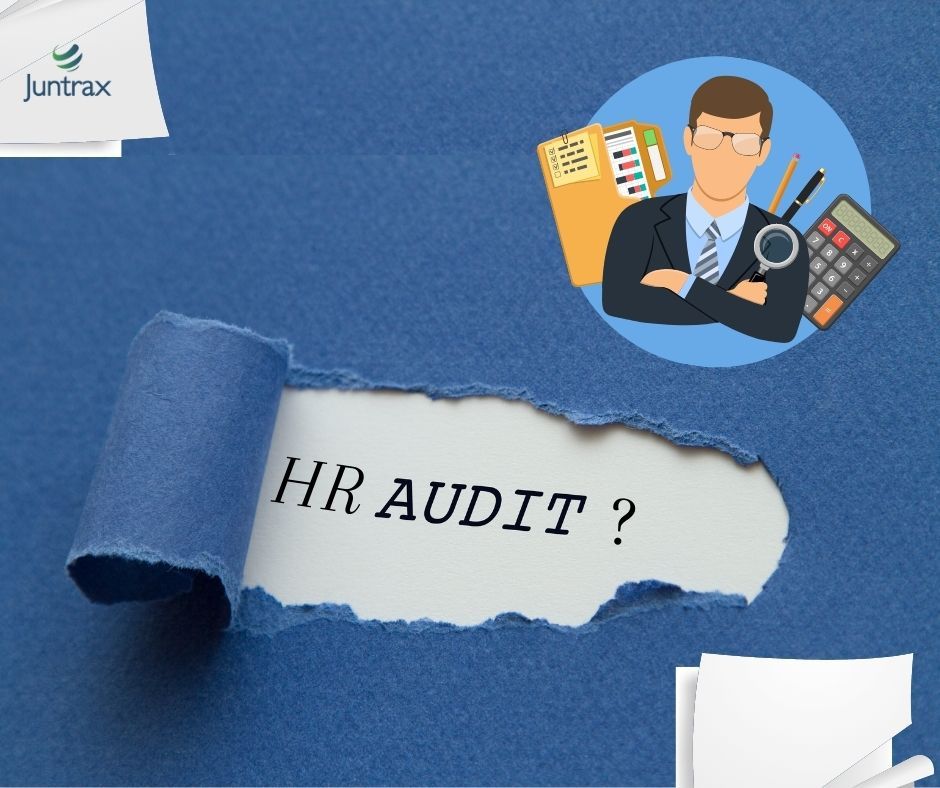
An HR audit is an important tool for businesses that want to understand whether their human resource practices are organized, compliant and effective.
As businesses grow, HR processes can easily become inconsistent. Employment contracts may not be updated, employee records may be incomplete, policies may no longer reflect current practices, and statutory or compliance requirements may be overlooked.
An HR audit in Kenya provides an opportunity to identify these gaps and address them before they become larger operational or compliance problems.
What Is an HR Audit?
An HR audit is a systematic review of an organization’s human resource policies, procedures, records and practices.
The objective is to identify areas that are working well, areas that require improvement and potential compliance or operational risks.
An HR audit may examine areas such as:
- Employment contracts
- Employee records
- HR policies
- Recruitment procedures
- Leave management
- Attendance
- Payroll processes
- Performance management
- Employee discipline
- Training
- Statutory compliance
- Employee separation procedures
1. Review Employment Contracts
The first step should be reviewing employee contracts.
Businesses should confirm that contracts are properly documented and that employees have clear information regarding their terms and conditions of employment.
The review can cover:
- Job title and responsibilities
- Salary and payment terms
- Working hours
- Leave entitlement
- Probation
- Notice requirements
- Confidentiality
- Applicable company policies
Businesses should also ensure that their employment documentation is consistently maintained.
2. Review HR Policies
Policies provide employees and management with clear guidelines on how workplace matters should be handled.
An HR audit should determine whether the organization has appropriate policies and whether employees are aware of them.
Depending on the business, policies may cover:
- Leave
- Attendance
- Discipline
- Anti-harassment
- Confidentiality
- Recruitment
- Performance management
- Grievances
- Whistleblowing
- Health and safety
- Separation
Policies should also be reviewed periodically as the organization and legal environment change.
3. Check Employee Records
Employee records are an important part of effective HR administration.
The audit should establish whether the organization maintains accurate and accessible records for its employees.
These may include:
- Employment contracts
- Identification documents
- Certificates and qualifications
- Leave records
- Performance records
- Disciplinary records
- Training records
- Payroll information
- Separation documentation
Proper documentation can help businesses maintain consistency and respond more effectively when employee matters arise.
4. Review Recruitment Processes
Recruitment should also form part of the HR audit.
Businesses should examine whether their recruitment process is structured and consistent.
This may include reviewing:
- Job descriptions
- Job advertisements
- Candidate screening
- Interview processes
- Reference checks
- Background checks
- Offer letters
- Onboarding procedures
A structured recruitment process can help businesses improve hiring decisions and reduce unnecessary recruitment costs.
Powervision’s recruitment service covers sourcing, screening, skills assessment, reference and background checks, interview coordination and onboarding support.
5. Examine Leave and Attendance Management
Leave and attendance processes should be reviewed to determine whether they are properly documented and consistently managed.
Businesses should consider:
- How leave requests are submitted
- How leave balances are maintained
- How absenteeism is recorded
- Whether attendance records are accurate
- Whether managers follow consistent procedures
Weak attendance and leave systems can create administrative problems and employee disputes.
6. Review Performance Management
Performance management should not only happen when an employee is underperforming.
An HR audit should examine whether employees have:
- Clear responsibilities
- Performance targets
- KPIs where appropriate
- Regular reviews
- Feedback
- Development plans
A structured performance management system can help employees understand expectations while giving managers a framework for addressing performance issues.
7. Review Employee Relations
An HR audit should also consider how the organization handles employee concerns.
This includes reviewing processes for:
- Employee grievances
- Disciplinary matters
- Conflict resolution
- Complaints
- Workplace conduct
- Employee communication
The objective is to determine whether employee matters are handled consistently and documented appropriately.
8. Review Compliance Requirements
Businesses operating in Kenya need to pay attention to applicable employment and statutory requirements.
An HR compliance review can help identify gaps relating to employment documentation, statutory processes and workplace practices.
Powervision’s HR Compliance and Audit service includes policy review, risk mitigation, statutory compliance management, labour law alignment, documentation standards and ongoing compliance monitoring.
9. Identify HR Risks
Once the audit is complete, the next step is identifying the major risks.
Not every finding will have the same level of importance.
Businesses can categorize findings into:
High priority: Issues that may create significant legal, financial or operational exposure.
Medium priority: Issues requiring attention but not necessarily immediate intervention.
Low priority: Administrative or process improvements that can be addressed over time.
This makes the audit more practical and easier for management to act upon.
10. Create an Action Plan
An HR audit should not end with a report.
The organization should create an action plan showing:
- The issue identified
- Recommended action
- Responsible person
- Priority level
- Expected completion date
- Progress status
This turns the audit from a compliance exercise into a practical improvement programme.
How Often Should You Conduct an HR Audit?
There is no single schedule that works for every organization.
Many businesses can benefit from conducting a formal HR review at least annually, with additional reviews when there are major changes such as rapid growth, restructuring, acquisitions or significant changes to employment requirements.
Powervision’s HR Compliance and Audit service similarly recommends regular reviews and additional checks when labour laws change or a business undergoes significant growth or restructuring
Post a comment
Related Posts
September 17, 2026
10 Things Every Kenyan Employer Should Include in an Employment Contract
An employment contract is one of the most important documents between an employer and an…

September 17, 2026
7 HR Compliance Mistakes Kenyan Businesses Should Avoid
Running a business involves much more than hiring employees and paying salaries. HR compliance is…
