


Running a business involves much more than hiring employees and paying salaries. HR compliance is an important part of managing employees effectively, particularly as a business grows. Employers need appropriate HR documentation, policies and procedures to support effective employee management and meet applicable employment requirements. Small gaps in HR processes can eventually create unnecessary disputes, administrative challenges and compliance risks.
1. Not Having Proper Employment Contracts
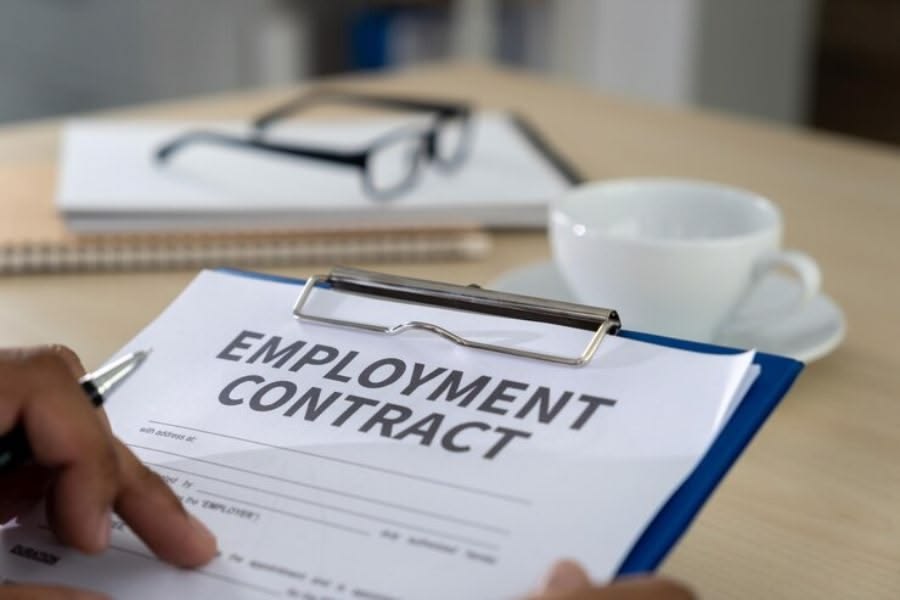
One of the most common HR compliance mistakes is failing to provide employees with properly structured employment contracts. A written contract should clearly establish important terms of the employment relationship, including the job description, commencement date, place of work, working hours and remuneration. Kenya’s Employment Act sets out specific employment particulars that should be contained in a written contract of service.Employment contracts → HR Compliance and Audit] Employment Act → Kenya Employment Act]
2. Keeping Incomplete Employee Records
Employee records should not only be organised when an employer needs to resolve a dispute or respond to an official request. Businesses should maintain appropriate records relating to employment contracts, leave, remuneration, performance, disciplinary matters and other relevant employment information. Proper documentation makes HR administration easier and gives management a clearer record of important employment decisions.
[HR records → How to Conduct an Effective HR Audit in Kenya]
3. Operating Without Clear HR Policies
As a company grows, informal HR practices can become difficult to manage consistently. Employees should understand important workplace expectations relating to attendance, leave, disciplinary procedures, confidentiality, conduct and grievance handling. Clear HR policies help managers apply workplace procedures more consistently while giving employees a better understanding of their responsibilities.
[HR policies → Human Resource Services]
4. Poor Leave Management
Leave should be properly recorded and managed rather than handled through informal verbal arrangements. Under the Employment Act, an employee is entitled to not less than 21 working days of annual leave with full pay after every 12 consecutive months of service, subject to the provisions of the Act. Businesses should therefore have a reliable system for recording leave entitlement, leave taken and outstanding balances. 21 working days → Kenya Employment Act – Annual Leave]
5. Failing to Document Disciplinary Processes
When an employee has a performance or conduct issue, relying entirely on verbal discussions can create problems later. Businesses should have clear disciplinary procedures and maintain appropriate documentation of relevant discussions, warnings and actions. A structured process also helps managers deal with similar employee issues more consistently.
6. Not Reviewing HR Practices as the Business Grows
An HR system that worked for a small business may not remain effective as the workforce expands. Businesses should periodically review their employment contracts, HR policies, employee records, leave management, recruitment procedures, performance management and disciplinary processes.
[HR review → HR Compliance and Audit]
7. Treating HR Compliance as a One-Time Exercise
HR compliance should not be treated as a once-a-year exercise or something a business only considers when there is a problem. Employment requirements, workforce structures, company policies and HR practices can change over time. Regular reviews allow businesses to identify gaps early and make appropriate improvements.
How Can Businesses Improve HR Compliance?
A practical HR compliance review can examine employment contracts, employee records, HR policies, leave management, disciplinary procedures, recruitment processes and other HR documentation. This gives management a clearer picture of what is working, where gaps exist and what needs to be improved.
[HR Compliance and Audit → Powervision HR Compliance and Audit]
Conclusion
Good HR compliance provides businesses with a structured approach to managing employees and maintaining appropriate employment documentation. For Kenyan businesses, regularly reviewing HR systems can help identify gaps before they develop into larger administrative or employee-relations problems.
Need help reviewing your HR processes? Powervision Consultancy provides HR Compliance and Audit support for businesses in Kenya.
Post a comment
Related Posts
September 17, 2026
10 Things Every Kenyan Employer Should Include in an Employment Contract
An employment contract is one of the most important documents between an employer and an…
September 16, 2026
How to Conduct an Effective HR Audit in Kenya
An HR audit is an important tool for businesses that want to understand whether their…
